About Bushton Manufacturing, LLC

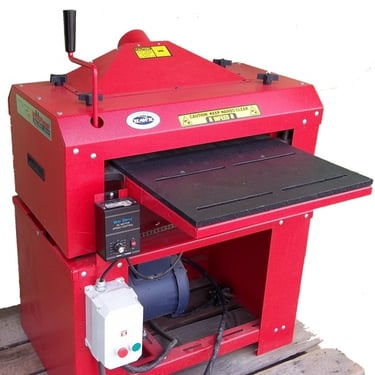
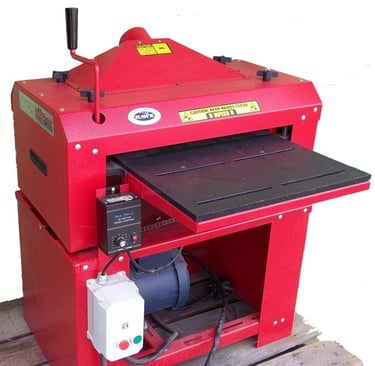
brown wooden surface with white and black textile

Hawk Woodworking Tools traces its roots back to 1929 when it was originally established as Pruitt in the quaint town of Pleasant Hill, Missouri. This family-oriented business began by offering woodworking professionals high-quality tools designed to meet their specific needs. Over the decades, Pruitt developed a strong reputation among woodworkers who valued precision and craftsmanship in their tools.

In 1972, the company was acquired by RB Industries (RBI), a move that marked a significant transition for the brand. RBI relocated Pruitt’s operations to Harrisonville, Missouri, further streamlining production and expanding distribution. Under RBI’s ownership, the brand began to innovate and evolve, integrating modern technology and techniques into traditional woodworking processes, which heightened its appeal among a broader base of woodworking enthusiasts. The year 2007 brought another pivotal change for the company when RBI sold Pruitt to an investment group.

This group rebranded the company as Hawk Woodworking Industries, LLC, signifying a new chapter in its storied history. The relocation of the company just outside of Garden City, Missouri, facilitated further growth, allowing Hawk to enhance its production capabilities and expand its product lines. Today, Hawk Woodworking Tools stands as a testament to enduring craftsmanship and innovation, bridging a rich legacy with modern woodworking techniques.

The company continues to cater to the woodworking community, providing a range of tools that reflect both the quality and heritage established by Pruitt nearly a century ago. In March of 2009, Hawk Woodworking Industries, LLC was faced with the unfortunate closure of its operations, as announced by the investment group overseeing the company. This pivotal moment marked the end of an era for Hawk Woodworking Industries, previously operating under the name RBI.

However, a new chapter was swiftly set in motion. On April 14th, less than a month after Hawk's closure, Bushton Manufacturing, LLC recognized the potential in acquiring the business. This strategic move not only preserved the legacy of Hawk Woodworking Tools but also allowed for an innovative fusion of operations as the company was relocated to Bushton, Kansas.

Under the stewardship of Bushton Manufacturing, Hawk Woodworking Industries, LLC was integrated into their existing facilities, fostering collaboration between the employees and operations. This consolidation included the incorporation of the Atompop line developed by Quincraft Products, enabling the newly combined entity to leverage synergies across manufacturing processes and drive efficiencies.

This acquisition and subsequent integration into Bushton Manufacturing mark a significant turning point, aiming to revitalize Hawk's brand and capitalize on its esteemed craftsmanship in woodworking. With a fresh start in Bushton and enhanced resources, the revived operations are poised for growth and innovation in the woodworking industry.

The History of Bushton Manufacturing & Hawk Woodworking Tools

HISTORY OF BUSHTON MANUFACTURING

In the late 1980s, a pivotal journey began for Nilus Orth as he pursued his graduate studies in mechanical engineering at the University of Kansas.

During this time, his brother, Loren Orth, identified a unique opportunity in the realm of sustainability and agricultural innovation. Loren urged Nilus to embark on research exploring the use of agricultural waste, specifically wheat straw, to create an array of viable products. This initial research laid the groundwork for a future business that would marry environmental responsibility with technological advancement.

Their explorative journey continued into the 1990s, even after Nilus graduated and secured a position as an assistant professor at Lamar University in Texas. His academic background further enhanced the depth of their research, allowing him to integrate theoretical knowledge with practical applications. The duo’s passion for sustainable solutions pushed them to innovate continuously, examining the potential of agricultural by-products to contribute to a greener future.

In 1995, a significant shift occurred when Nilus decided to leave his post at Lamar University to return home. This decision wasn’t just a personal choice; it marked the genesis of a collaborative endeavor with Loren that they would aptly name Wheat Straw Products. This research company aimed to delve deeper into the potential of straw as a raw material, transforming agricultural waste into valuable resources that could benefit various industries.

The duo didn’t stop there. Realizing that the ideas and prototypes developed through their research needed a dedicated manufacturing arm to bring them to market, they founded Bushton Manufacturing a few years later. This manufacturing company was established specifically to produce the innovative products that Wheat Straw Products had conceptualized and developed.

With a clear vision and commitment to sustainability, the brothers set out not only to innovate but also to revolutionize the way agricultural waste was viewed and utilized. Their work through both companies illustrated a perfect blend of academic rigor and entrepreneurial spirit, as they transformed agricultural challenges into opportunities. This journey highlights not only their dedication to research and development but also their profound impact on sustainable manufacturing practices.

In 2005, Loren and Nilus took a significant step in their entrepreneurial journey by purchasing products for J & D, marking the beginning of their venture into the market. This partnership laid the foundation for their future endeavors in business. The following year, in 2006, Loren and Nilus expanded their partnership by joining forces with their brother Linus.

Together, the trio made a strategic move by acquiring Quincraft products. This acquisition was not just a business transaction; it symbolized their commitment to growth and innovation in their industry. Importantly, they chose to maintain the name of Quincraft as a separate entity, which allowed them to honor the brand's legacy while also paving the way for new opportunities under their collective vision.

This decision demonstrated their foresight in brand management and market positioning, as they navigated the complexities of running multiple businesses while building a cohesive strategy for success. Loren, Nilus, and Linus, with their combined expertise and shared ambition, aimed to create a unique market presence. As they moved forward, their collective efforts set the stage for a dynamic business landscape, fostering collaboration and creativity among their teams.

The journey of these brothers reflects not only entrepreneurial spirit but also the importance of family in achieving business objectives. Their story is one of determination, collaboration, and a shared goal of success in a competitive market. In the ever-evolving landscape of business, adaptability and foresight are crucial attributes for success.

Loren and Nilus, two ambitious entrepreneurs, exemplified these qualities as they navigated the challenges presented by the economic climate of the late 2000s. By 2009, they found themselves at a crossroads regarding their venture following the acquisition of J & D, a company that specialized in beach maintenance equipment. In the wake of a turbulent U.S. economy, Loren and Nilus recognized that their beach maintenance products would not thrive until the financial situation improved.

The market, heavily influenced by broader economic trends, had slowed considerably, leading to a stark realization: they could no longer rely solely on their existing product line. Their ambition and commitment to growth compelled them to seek out new opportunities, a decision that would define their next steps. Understanding the necessity for diversification, they began conducting extensive market research to identify potential additional products that could complement their existing offerings.

From this quest for innovation emerged insights into emerging trends and changing consumer demands. While beach maintenance equipment was their core business, Loren and Nilus soon discovered areas within the outdoor and recreational sectors that showed promise. They explored various avenues, considering seasonal trends, shifting recreational activities, and even innovations in sustainable practices.

Their brainstorming sessions were lively, filled with ideas ranging from eco-friendly beach accessories to portable maintenance solutions that would be appealing to a broader range of customers, including municipalities, parks, and beach resorts. With a newfound determination, Loren and Nilus attended industry trade shows, networking events, and collaborated with other businesses to gather insights and inspiration. Their proactive approach allowed them to absorb various perspectives on what consumers were looking for, leading them to pivot their strategy to encompass not just beach maintenance, but a diverse array of outdoor solutions.

They began developing prototypes for new products, drawing on their expertise in quality manufacturing and design. This phase of product development was not without its challenges; they faced hurdles such as sourcing materials, navigating compliance regulations, and ensuring that their new offerings matched the high standards they had established with their original equipment. Yet, with each obstacle came invaluable lessons that further refined their business acumen.

As they began to roll out their new product lines, Loren and Nilus embraced digital marketing strategies to promote their expanded range. By leveraging social media and online platforms, they reached a wider audience eager for innovative solutions that catered to a variety of outdoor needs.

Tapping into the growing trend of online shopping, they ensured their products were readily accessible, creating a seamless purchasing experience for their customers. By late 2010, Loren and Nilus had successfully transformed their company into more than just a manufacturer of beach maintenance equipment. They had become key players in the outdoor solutions market, offering a diverse portfolio that included eco-friendly beach accessories and versatile maintenance tools for parks and recreational facilities.

Their adaptability had paid off, allowing them to not only survive but thrive despite the ongoing economic challenges. The journey towards diversification and innovation highlighted a fundamental truth about entrepreneurship: the ability to pivot and seek new opportunities can make all the difference in an uncertain market. Loren and Nilus had not only positioned themselves as leaders in their industry but also as innovative thinkers, paving the way for future growth and sustainability as the economy gradually improved.

In conclusion, Loren and Nilus's experience serves as a compelling case study on the importance of recognizing limitations and the necessity of embracing change. Their story illustrates that with determination, creativity, and market awareness, it is possible to convert difficult circumstances into opportunities for success, ultimately leading to a more resilient business model poised for the future.

HISTORY PREWITT/RBI

In the mid-1920s, a visionary named J.R. Prewitt established a machine shop in the quaint town of Pleasant Hill, Missouri. This humble beginning would set the stage for a remarkable journey in the woodworking industry. With a strong commitment to craftsmanship and innovation, J.R. Prewitt and Son Machine Shop laid the groundwork for what would eventually become a reputable name in tool manufacturing.

In 1929, the shop introduced a groundbreaking product: the Belsaw planer. This innovative tool revolutionized woodworking by offering craftsmen and hobbyists a reliable means of shaping and finishing wood with precision. The Belsaw planer quickly gained popularity, paving the way for a series of products that would follow.

Over the years, J.R. Prewitt and Son Machine Shop expanded its offerings, continually improving and diversifying its product line to meet the evolving needs of woodworkers. As the years passed, the legacy of the Belsaw planer grew, and so did the Prewitt family’s dedication to quality and service. The machine shop transformed into a brand synonymous with excellence in woodworking tools.

Today, this rich tradition persists under the Hawk woodworking tool line, preserving the original spirit of innovation and craftsmanship that J.R. Prewitt instilled in the company nearly a century ago. Hawk woodworking tools carry forward the original vision of the Prewitt family, providing woodworkers with exceptional tools that embody both time-tested techniques and modern advancements. From saws to planers and everything in between, the Hawk brand continues to uphold the highest standards, ensuring that every tool is built with the same care and precision that characterized the Belsaw planer.

As we reflect on the history of J.R. Prewitt and Son Machine Shop, we see a story of determination, innovation, and a deep-rooted commitment to the woodworking community. The journey from a small machine shop in Pleasant Hill, Missouri, to a respected name in woodworking tools serves as an inspiring reminder of how passion and hard work can lead to enduring success. Today, woodworkers around the world benefit from the legacy of J.R. Prewitt, a legacy that continues to thrive through the Hawk woodworking tool line.

J.R. Prewitt was a remarkable figure known for both his entrepreneurial spirit and his dedication to family. He and his wife raised a large family of 14 children, comprising seven boys and seven girls. This lively household was not just a source of joy but also a cornerstone of his thriving business.

Each of the Prewitt children was actively involved in the company, fostering a sense of unity and shared purpose that would define their work ethic and family legacy. Upon the passing of J.R. Prewitt in 1951, the responsibilities and leadership of the family company gracefully transitioned to his youngest son, Ralph. Taking up this mantle, Ralph faced a daunting task—one that demanded not only reverence for the formidable legacy established by his father but also an innovative vision for the future.

This delicate balance became the cornerstone of his leadership style. Ralph was acutely aware of the foundation laid by J.R. Prewitt, where integrity and quality were paramount. In his early days as leader, he immersed himself in the company’s operations, meeting with longtime employees and stakeholders to gain a comprehensive understanding of both the strengths and weaknesses that existed.

He was determined to honor his father's legacy while steering the company through a rapidly changing industrial landscape. Over the subsequent two decades, Ralph adeptly guided the company through numerous challenges and opportunities. The post-war economy, marked by growth and technological advancements, opened a myriad of doors for expansion.

Ralph, with his keen business acumen, recognized the need to adapt, innovate, and embrace these changes. He initiated a series of strategic improvements, enhancing product lines and investing in modernized manufacturing processes that upheld the high standards set by his father. But Ralph’s vision extended beyond just profit margins and production efficiencies.

He believed in fostering a strong corporate culture that reflected the core values instilled by J.R. His leadership saw an emphasis on employee welfare, community engagement, and customer satisfaction. Ralph understood that a company thrives not just on transactions but on relationships.

He initiated programs aimed at improving workplace conditions and offered initiatives that encouraged employees to participate in community service. This holistic approach not only bolstered employee morale but also reinforced the company’s standing in the greater community—a testament to J.R.’s belief in responsibility and integrity. As the company grew, Ralph also recognized the importance of responding to consumer needs and market trends.

He was forward-thinking in his approach, leading the company to invest in research and development. Under his guidance, a new product line was introduced that integrated modern technology while staying true to the principles of quality that had become synonymous with the Prewitt name.

Ralph championed the idea that innovation must align with the foundational values of the company, ensuring that the new offerings were not just modern but also of the highest standard. Ralph’s management style was characterized by open communication and collaboration. Unlike many leaders of his time, he sought input from all levels of the organization.

This inclusive approach fostered a sense of ownership amongst employees and cultivated an environment where ideas could be freely shared.

Regular meetings and brainstorming sessions became commonplace during Ralph’s tenure, allowing for an exchange of creative ideas that often led to significant breakthroughs. Moreover, Ralph was attuned to the external factors influencing the business landscape. He navigated the company through economic fluctuations, regulatory changes, and shifts in consumer behavior with remarkable foresight.

Each challenge posed an opportunity for growth and innovation, which he harnessed to adapt the company’s strategies. He adeptly formed alliances and partnerships that not only expanded the reach of the company but also reinforced its commitment to quality and service. As the 1970s approached, the company faced new challenges that tested its resilience.

Globalization began to reshape markets and competitors emerged from both domestic and international fronts. However, Ralph remained unfazed.

His deep understanding of the company’s ethos, combined with a willingness to embrace change, allowed him to position the company favorably within this new paradigm. He cultivated a reputation for forward-thinking leadership, always keeping one eye on the horizon while respecting the heritage that had built the foundation of the Prewitt name. Ralph’s tenure was not exempt from tribulations.

There were moments of doubt and setbacks, but each was met with a resolve that he had inherited from his father. He often recalled stories from J.R.’s time during challenging periods and found solace in the lessons learned. For Ralph, leadership was not just about steering the company; it was about embodying the principles that made the company successful.

Through dedication and hard work, Ralph ensured the company emerged from each trial stronger and more united. As he led the company into the 1980s, Ralph had successfully positioned it as a leader in its field, holding true to the values laid down by J.R. Prewitt while simultaneously ensuring that it was adaptable and forward-looking. His legacy, much like his father’s, was cemented in the trust earned from employees, customers, and the community.

In conclusion, Ralph’s leadership journey was a profound testament to the interplay between honoring a storied legacy and forging a visionary path forward. His years as the head of the company saw not only a continuation of J.R. Prewitt's core values but also a dynamic evolution that positioned the company to thrive in the face of change. Ralph’s story is one of respect, innovation, resilience, and the enduring belief that a company’s strength lies in its values and the people who uphold them.

Ralph's management was pivotal during a crucial phase of growth for the company. His leadership style was not only effective but also distinctive, emphasizing collaboration among team members. Ralph understood that the combined strengths of his siblings were vital to the company’s success.

Their deep-rooted connection as family enabled them to work in harmony, shaping a cohesive leadership team that was dedicated to the company’s vision. During this transformative period, Ralph and his siblings navigated the complexities of the business landscape with remarkable dexterity.

They encountered challenges that tested their resolve and commitment to the family's legacy, yet they approached each obstacle with a united front.

By fostering a culture of open communication and trust, Ralph ensured that every member of the team felt valued and empowered to contribute to the company's goals. The family's history played a significant role in their approach to management. Ralph drew inspiration from J.R.'s family-centric philosophy, which had laid the groundwork for the company's operations.

This foundational belief in the importance of familial ties and teamwork was instrumental in guiding their strategic decisions. Ralph's ability to inspire his siblings and harness their individual strengths meant that every business initiative was infused with creativity, passion, and a shared commitment to excellence. As they faced new opportunities and challenges in the evolving market, their collective efforts led to innovative solutions and effective strategies.

Ralph’s guidance allowed them to adapt quickly to changes while remaining grounded in the values that had defined their family business. Together, they cultivated an environment where collaboration was not just encouraged but celebrated, enabling them to draw on one another's insights to drive the company forward. Ralph’s management style was marked by an acute awareness of the importance of maintaining the company’s identity amidst growth.

He knew that the spirit of collaboration that flourished among the siblings formed the backbone of their success. By leading with empathy and understanding, Ralph was able to create a workplace atmosphere that resonated with respect and accountability. Ultimately, the synergy between Ralph and his siblings redefined the company's trajectory during this pivotal growth phase.

Their ability to work together harmoniously while leveraging the family ethos cultivated a resilient and innovative corporate culture. The lessons drawn from this period continued to shape the company’s operations, ensuring that the values instilled by J.R. remained at the forefront as they moved into the future. In navigating the complexities of the business landscape, Ralph and his siblings remained steadfast in their commitment to their family-centric approach, which proved to be the bedrock of their enduring success.

In 1972, a significant chapter in the history of the Prewitt family came to a close. After two decades of unwavering commitment and stewardship, Ralph Prewitt made the momentous decision to sell the family business to Verle L. Rice. This decision not only marked the end of an era for the Prewitt family but also heralded a new beginning for the company.

As Ralph and his siblings stepped back from the daily operations they had once so passionately overseen, it was a bittersweet moment filled with nostalgia and reflections on the journey they had undertaken. The legacy of the Prewitt family, rooted in the foundational values and principles established by J.R. Prewitt, continued to resonate within the company long after the Prewitt name was no longer associated with its leadership. The ethos of diligence, integrity, and community that had been cultivated over the years became deeply embedded in the company’s culture.

Employees and stakeholders alike had come to recognize these values as the driving force behind the company’s success, fostering a sense of belonging and purpose that would carry on throughout the subsequent years. Even as new leadership took the reins, the impact of the Prewitt family’s legacy remained palpable. Ralph had not merely passed on a company; he had entrusted a set of principles that shaped the very identity of the business.

Under Verle L. Rice's stewardship, the company embarked on its next chapter, but the echoes of Ralph's commitment to excellence, family values, and ethical practices would continue to guide its operations. The transition was a testament to the growth and evolution of a family business, illustrating how the essence of its founders can live on even in their absence. While the Prewitt family may have stepped back from daily involvement, the impact of their hard work, dedication, and moral compass served as a foundational pillar for the company moving forward.

In the years that followed, the company thrived, drawing not only from new strategies and innovations introduced by Rice but also from the time-honored traditions that had distinguished the Prewitt family’s approach to business. Employees, stakeholders, and customers remained connected to the values that had long been part of the company’s DNA. This continuity created a bridge between the brand's storied past and its future ambitions, ensuring that the spirit of the Prewitt legacy would never be forgotten.

Thus, in the wake of Ralph's decision to transition the company, what emerged was more than just a change in leadership; it was a reaffirmation of the principles that had fostered the business's growth and success for twenty years. The Prewitt name, though no longer at the helm, continued to evoke respect and admiration as the company pressed onward, carrying its history and values into the future. The legacy of J.R. Prewitt and his family stands as a powerful testament to the enduring bonds of family and the profound impact of shared visions in the realm of business.

Their journey—from a bustling household filled with laughter and ambition to a prosperous company known for its integrity and innovation—illustrates how family values can not only forge meaningful connections among loved ones but also lay the groundwork for sustainable success across generations. At the heart of the Prewitt saga is J.R. Prewitt himself, a visionary entrepreneur whose passion for business was matched only by his commitment to his family. In the early days, he envisioned a company that not only met the needs of its clients but also reflected the values he cherished: honesty, respect, and dedication to quality.

This vision, however, was not a solitary endeavor. It was nurtured within the confines of a home where family discussions often revolved around strategies, aspirations, and the importance of hard work. The household was a vibrant setting, filled with the sounds of children’s laughter and the spirited debates of adults.

J.R. and his spouse understood the importance of inculcating a strong work ethic in their children and frequently involved them in the family business from a young age. This hands-on approach was not merely about practical skills; it encompassed lessons in resilience, teamwork, and perseverance—traits that would serve them well as they grew older. As the years passed, J.R. Prewitt’s entrepreneurial spirit bore fruit.

The small business he founded began to flourish, thanks in part to the unwavering support of his family. Each member contributed in unique ways, enhancing the business with their individual strengths. Some specialized in marketing, others in operations, but all shared a collective vision rooted in the values they had learned at home.

This commitment to collaboration transformed what began as a modest endeavor into a thriving enterprise. The family’s approach to business was holistic; success was not measured solely by profit margins but also by the impact they made within their community. J.R. and his family took pride in engaging with local initiatives, supporting local artisans, and giving back through charitable endeavors.

This focus on community and responsibility helped cement their reputation as not just a business, but as a cornerstone of the locale—a family-run establishment that prioritized relationships over revenue. As the business expanded, so did the Prewitt family legacy. The next generation stepped into leadership roles, each bringing fresh perspectives while honoring the foundational values instilled by J.R.

Their ability to adapt to changing market trends while holding steadfast to core ethical principles ensured that the company thrived in an increasingly competitive environment. This seamless transition exemplified the strength of familial bonds and shared vision in business continuity.

Challenges were inevitable, as with any flourishing institution, but the Prewitt family faced them head-on, united in purpose. They regarded obstacles not as setbacks but as opportunities for growth—an approach that was forged through their familial interactions and collective problem-solving. This resilience became emblematic of their journey, symbolizing how the fabric of their family provided a protective barrier against adversity.

Furthermore, the Prewitts' dedication to nurturing emerging talent, including family and community members, showcased their belief in empowerment. They established mentoring programs that encouraged innovation and creativity, reinforcing their commitment to shared values and the importance of collaboration. By investing in the future, they ensured that the essence of the Prewitt legacy would endure beyond their immediate family.

As the company continues to grow and evolve, the Prewitt family remains a living embodiment of their shared vision: that of combining business acumen with genuine care for individuals and communities. The legacy of J.R. Prewitt serves as a reminder that success in business is not just about financial gain; it is about building relationships that honor the ideals of cooperation, integrity, and mutual respect. In conclusion, the journey of the Prewitt family reflects a timeless narrative of unity, perseverance, and the enduring impact of family values in business.

Their story is a remarkable example of how a strong familial bond, backed by a shared vision, can lead to transformative success that reverberates through generations. The legacy of J.R. Prewitt and his family is not merely about a flourishing company; it is about the connections that sustain it and the principles that guide it, proving that indeed, family matters in every sense of the word. By 1976, Rice had reincorporated the business as RB Industries.

Just two years later, the company made a significant advancement in its product line by developing their very own thickness planer, which they marketed under the RBI name. This marked the beginning of a new era for the company, as they continued to innovate and expand their offerings.

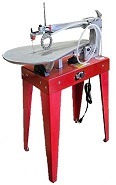
In the early 1980s, RBI further solidified its reputation in the woodworking industry by releasing a series of high-quality scroll saws. Among these were models named after majestic birds: the Falcon, Eagle, Condor, and Hawk. Of these, the Hawk proved to be the most popular and became a standout product for the company.

The success of the Hawk model prompted RBI to reorganize its branding strategy. They renamed their entire range of saws as the Hawk product line and, in time, extended this naming convention to cover the rest of their product offerings. By 1984, the company had outgrown its original location and relocated to Harrisonville, Missouri, aligning with their vision of growth and expansion in the booming woodworking market.

This move not only allowed them to accommodate an increasing demand for their products, but it also paved the way for future innovations and enhancements in their manufacturing process. In the wake of Verle L. Rice's passing in 2007, a significant chapter in the history of RB Industries came to a close. The family, seeking to ensure the future of the company, made the difficult decision to sell the business to an investment firm.

This new ownership marked a shift in direction for the company; under the new management, RB Industries was rebranded as Hawk Woodworking Industries. The transformation signified not just a new name, but also an ambitious plan to relocate the operations to the outskirts of Garden City, Missouri—a decision that aimed to rejuvenate the company's presence and facilitate growth in a more spacious setting. However, the anticipated move to the new location never materialized.

As the company grappled with the challenges of transition, it became clear that the vision for Hawk Woodworking Industries was plagued by unforeseen complications. Despite the initial optimism, the rebranded company struggled to find its footing in a rapidly changing market, leading to a reassessment of its viability. Ultimately, on March 2, 2009, the decision was made to close the doors of Hawk Woodworking Industries.

It was a somber moment for the employees and the community, as the company had been a part of the local landscape for many years. The closing marked the end not only of an era but of the hopes that accompanied the rebranding effort. In a final attempt to liquidate assets and conclude operations, an auction was scheduled for April 16, 2009.

This sale would mark the end of Hawk Woodworking Industries, allowing the remnants of what had once been a thriving business to find new homes.

The story of RB Industries, and its transition to Hawk Woodworking Industries, serves as a poignant reminder of the complexities involved in business change, the weight of legacy, and the unpredictability of the market. While the journey ended here, it also reflects the enduring spirit of innovation and adaptation that characterizes the woodworking industry.

HOW WE ACQUIRED RBI

In early April 2009, Nilus Orth found himself in Kansas City, tasked with picking up a circle shear that had been purchased by Quincraft Products. The trip, while routine, would soon take an unexpected turn that would lead to a fortuitous opportunity. During his visit, he took a moment to peruse the Kansas City Star, a local newspaper renowned for its coverage of regional events and business news.

It was then that Nilus’s attention was captured by an intriguing advertisement for a manufacturer closure and liquidation auction. Although the ad did not explicitly reveal the name of the company, it indicated that a plethora of products associated with the company's inventory was up for sale. A sense of curiosity kindled within him, as he wondered about the potential of this undisclosed product line.

Eager to explore the prospects this auction might unveil, Nilus promptly reached out to his brother and business partner, Loren. The two had been involved in various ventures together and shared a keen instinct for identifying advantageous business opportunities. After discussing the matter thoroughly, they decided to contact the auctioneer to glean more information about the event and what exactly was up for grabs.

To their excitement, they learned that the auction was for Hawk Woodworking Industries, a company previously known as RB Industries.

Recognizing the name and the potential implications of this liquidation sale, Nilus and Loren discussed the opportunity, communicating their shared resolve to act quickly. Without wasting any time, the duo set off for Garden City, Missouri, with anticipation fueling their journey. Upon arrival, they were struck by the sheer scale of the equipment, parts, and tools set up for auction.

Everything from heavy machinery to woodworking supplies was laid out before them, a treasure trove for anyone in the woodworking industry. As they walked the aisles, meticulously inspecting the offerings, both men could envision the possibilities that could emerge from acquiring some of the auctioned items. Their minds raced with ideas for their business, contemplating how these resources could enhance their production capabilities or streamline operations.

Feeling motivated by their discoveries, Nilus and Loren approached the owners of Hawk Woodworking Industries to express their interest in purchasing equipment crucial to their future plans. The encounter was cordial and filled with mutual respect, as they articulated their vision for the equipment and how they believed it could be put to good use. The owners, recognizing the potential partnership and shared passion for the industry, engaged in a fruitful dialogue, which opened the door to negotiations and further discussions.

What began as an ordinary trip for Nilus transformed into an unexpected venture laden with opportunity as an engaging narrative unfolded. The determination to explore possibilities beyond the initial task had set the stage for a new chapter in their business journey, one that lingered in the air—charged with potential and promise. On April 14, 2009, just ten days after acquiring comprehensive information about the company, conducting in-depth studies on the product, and carefully examining the equipment, Bushton Manufacturing made a significant offer.

Remarkably, a verbal agreement was reached within just a few hours of this offer, reflecting the mutual interest and decisiveness of both parties involved. The very next day, April 15, 2009, saw the formalization of this preliminary understanding with the signing of a tentative agreement. This swift progression from initial inquiry to a signed agreement underscored the efficiencies and collaborative spirit present in the negotiations, setting a promising foundation for future collaboration between both entities.

This series of developments illustrates not only Bushton Manufacturing's proactive approach but also its commitment to establishing a strong and swift partnership. Both parties were eager to move forward, recognizing the potential benefits that could arise from this collaboration. Bushton Manufacturing made a significant move on May 13, 2009, by relocating its operations from Garden City, Missouri, to Bushton, Kansas.

This strategic decision was aimed at enhancing its operational efficiency and expanding its capabilities in manufacturing. Remarkably, just 29 days after the move, the company began receiving calls and shipping parts, marking a swift and smooth transition to its new facility. This agility showcased Bushton Manufacturing's commitment to maintaining service continuity and meeting the demands of its clients seamlessly, despite the geographical shift.

The swift ramp-up in operations not only demonstrated the company’s effective planning and execution but also set the stage for future growth in its new home.